Navigating safely at sea requires more than just skill; it also demands the right tools. While modern technology has made navigation easier and more accessible, having the correct equipment remains vital to ensuring a safe and successful voyage. Whether you're a seasoned sailor or a novice, understanding these key navigational tools is essential for any trip.
First and foremost is the compass, one of the oldest and most reliable tools used by sailors. The compass provides a steady sense of direction, and unlike GPS or other electronic tools, it doesn't rely on batteries or signals. It's an essential backup in case of power failure or electronic malfunction. In combination with charts (nautical maps), sailors can plot courses and avoid dangerous areas, such as shallow waters or shipping lanes.
Another critical tool is the depth sounder, which helps sailors gauge the depth of the water beneath them. This tool is particularly useful in unfamiliar waters, where shallow areas can pose a threat to the vessel. By constantly monitoring the depth, sailors can avoid grounding their ship on underwater obstacles.
For those who venture farther from shore, a VHF radio is indispensable. This allows sailors to communicate with nearby vessels, coast guards, and marinas in case of emergencies. In rough weather or low visibility, radar systems also come in handy, helping to detect other vessels or landmasses that might not be visible to the naked eye.
Finally, GPS is the modern mariner's most valuable tool. It provides real-time information on the vessel's location, speed, and heading. Coupled with electronic chartplotters, sailors can navigate with a level of precision that would have been unimaginable just a few decades ago.
While technology has certainly made sailing safer, every navigator should still know how to use traditional tools like the compass and charts, as electronic systems can fail. A well-equipped sailor is always prepared for the unexpected.
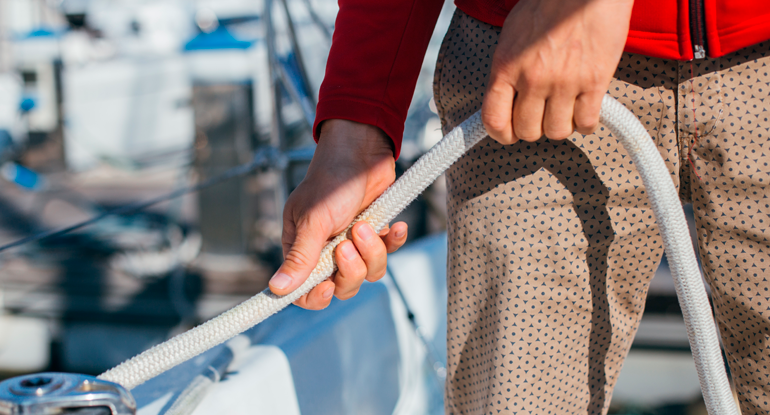
Navigational Tools for Safe Sailing
Navigating safely at sea requires more than just skill; it also demands the right tools. While modern technology has made navigation easier and more accessible, having the correct equipment remains vital to ensuring a safe and successful voyage.
Author
Erick Martinez
Date
Jan 24, 2026
Tags
EssentialGear · SafeSailing · NavigationalTools