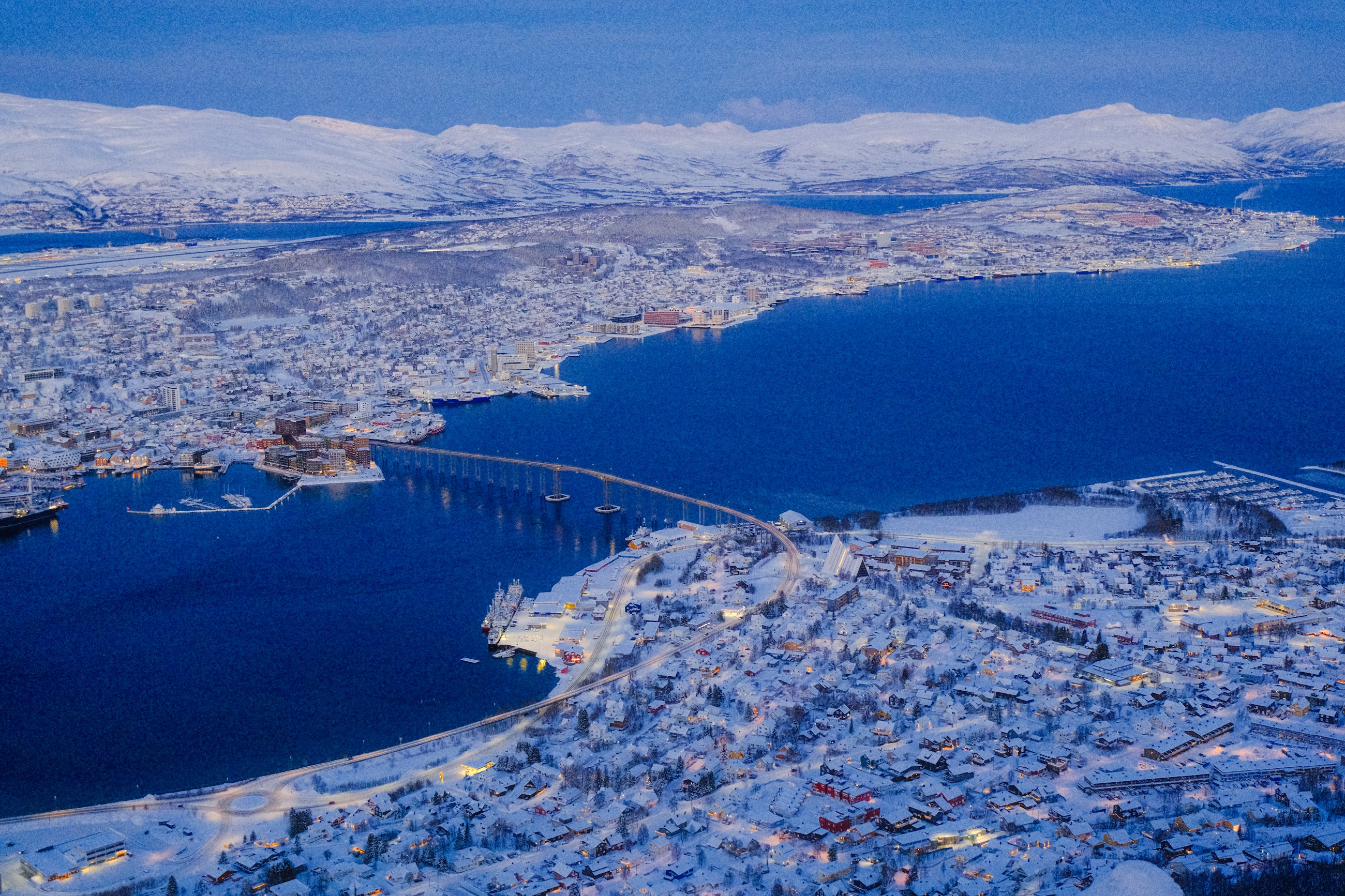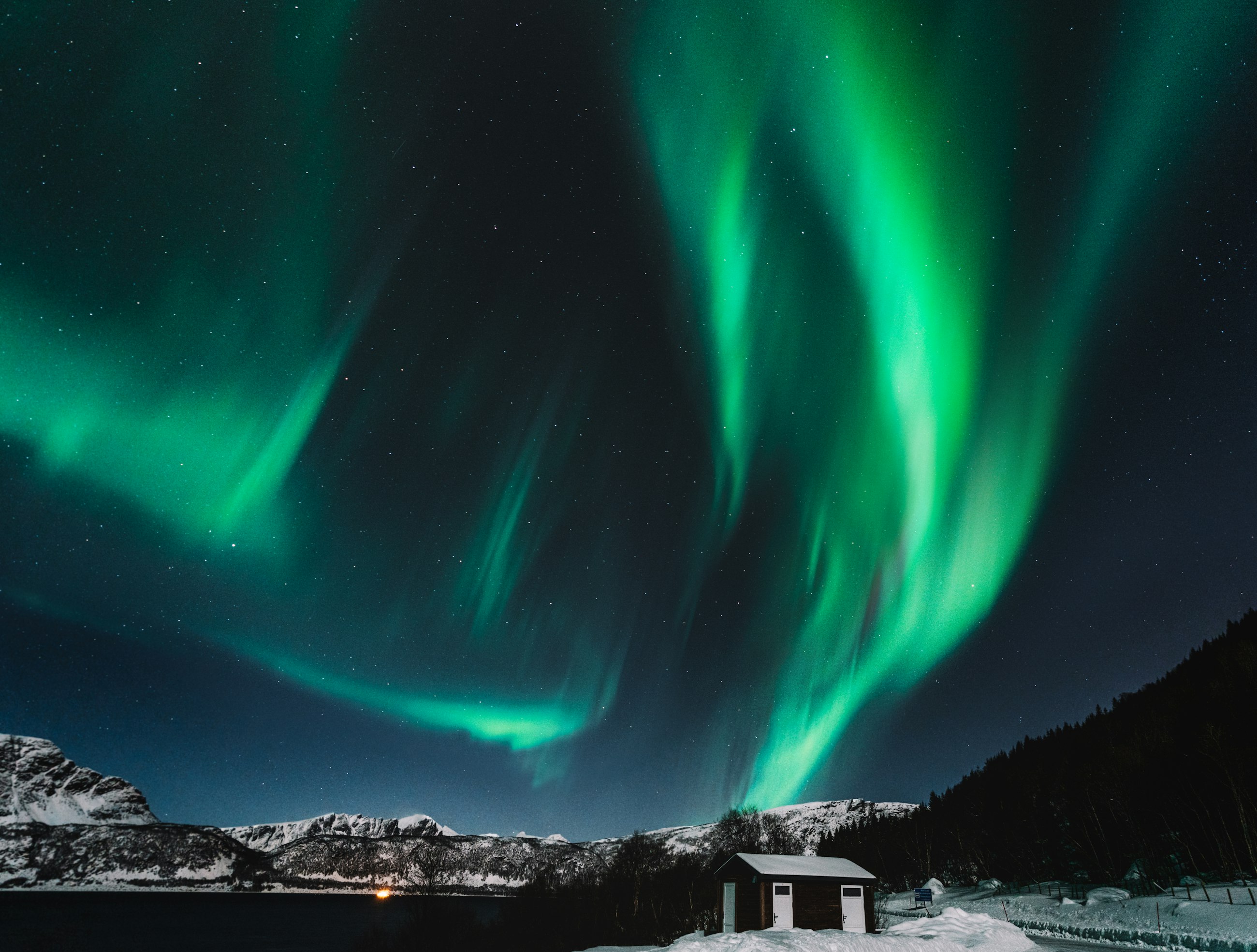
Watching the northern lights from the deck of a sailboat, anchored in a silent Norwegian fjord, is nothing like seeing them from a cruise ship or a hotel. No city lights, no bus schedules: when the sky ignites, you are exactly where you need to be. That is Rex Sailing School's Aurora Season — and it starts in September.
Why a sailboat and not a cruise?
- Zero light pollution. We anchor in remote fjords and bays where the only light is the sky's.
- Mobility. If Tromsø is overcast, we sail to clear skies. A hotel doesn't move.
- You're crew, not a passenger. Join watches, navigation and manoeuvres as much as you like — no experience required, the captain trains you on board.
- Small groups. Limited berths per expedition, not thousands of passengers.
The only Arctic expedition in Spanish
No other Arctic expedition sailboat operates with a Spanish-speaking owner and captain. Spanish agencies resell berths on Norwegian, British or Swedish boats at over €5,000 per berth. Aboard Cap II, safety briefings, sailing lessons and dinner conversations happen in Spanish — and booking directly with the school, Aurora Season starts at €2,400 per berth (7 days).
The boat: Cap II, 77 ft of aluminium
Cap II is a 77-foot (23.5 m) aluminium-hulled CNB — the reference build for high-latitude sailing — currently being fitted specifically for Arctic work: heating, protected deck and expedition equipment.
When to go: the 2026–2027 aurora calendar
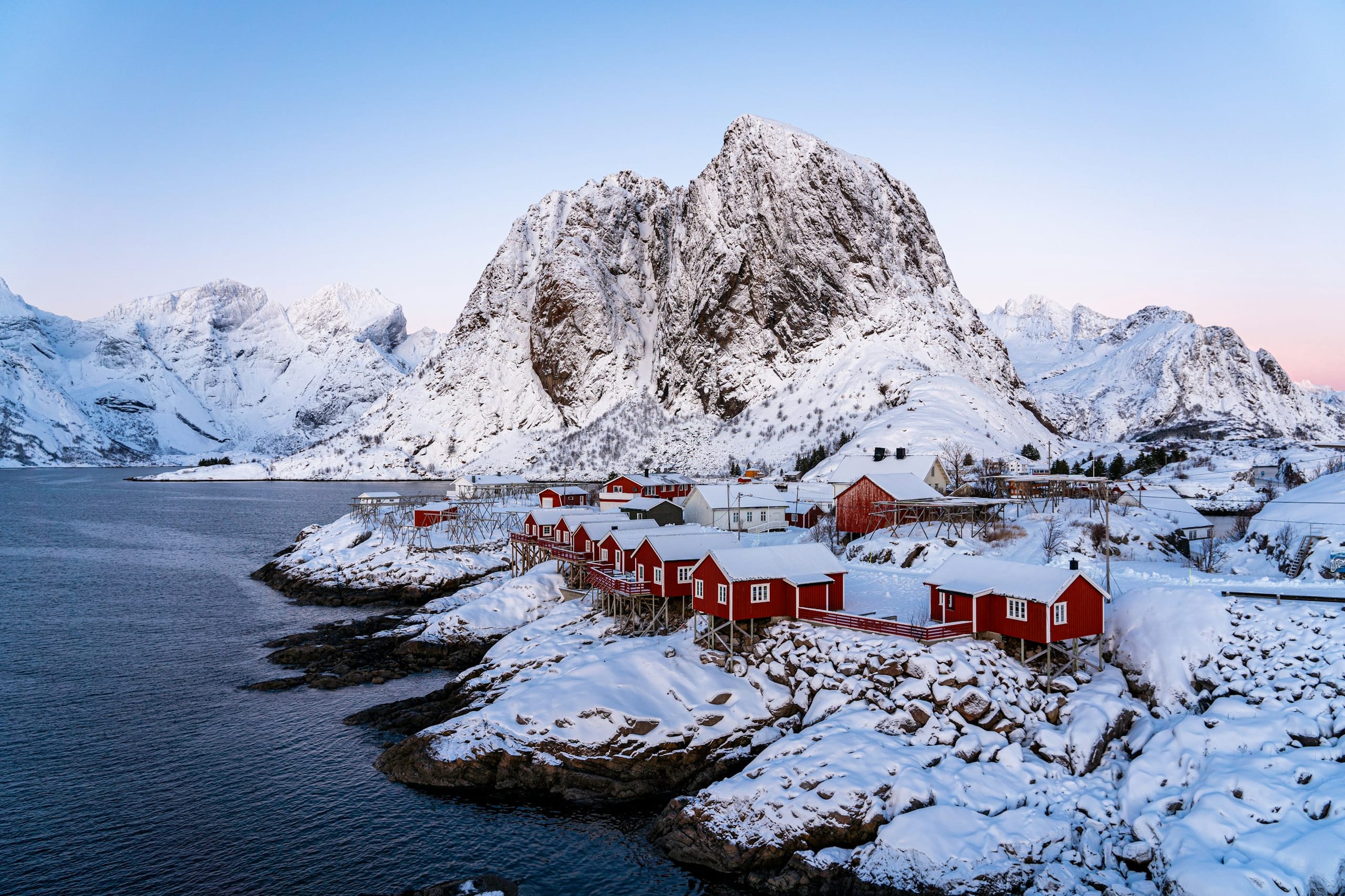
Aurora Season runs September to March, based in Tromsø, sailing the fjords and the Lofoten islands:
- September–October: auroras over snow-free mountains, mild temperatures, daylight sailing.
- November–January: polar night — maximum darkness, the strongest displays, the purest Arctic experience.
- February–March: light returns, snowy landscapes, and statistically very active equinox skies.
The solar cycle remains near its maximum, making 2026–2027 among the best aurora windows of the decade.
Do I need experience? Will I be cold?
No experience needed. Every expedition combines passage-making with training: accompanied watches, guided manoeuvres and onboard theory. The boat is prepared for Arctic winter, and we send you a layered-clothing kit list before departure.
Book your berth
Aurora Season 2026–2027 berths are limited and allocated in booking order. See dates, legs and prices on the Arctic expedition page, or contact us and we'll help you pick the best week.
Rex Sailing School — sailing school in Hondarribia (Basque Country, Spain) and Arctic expeditions aboard Cap II.